
"Foothills coffee"
1300 article(s) found

Kenya washed AA Klinga production area Cabaret hole fish processing plant boutique coffee bean variety cultivation
Coffee trees in Kenya are mostly planted at 1400 m-2000 m above sea level, and the growth areas include Ruiri, Thika, Kirinyaga and Mt. Kenya West, Nyeri, Kiambu and Muranga. Mainly in the foothills of Mt.Kenya and Aberdare. There are many producing areas in Kenya that strive to preserve the native forest ecosystem, protect the natural gene pool, and support the breeding of wild coffee varieties.

The origin and development of Ecuadorian fine coffee with strong taste
Tarasu, located south of the country's capital San Jos, is one of the country's most prized coffee plantations. La Minita Tarrazu coffee is locally famous, but the production is limited, about 72600 kg per year, it is grown on a piece of land called La Minita, land for the McAlpine family in England.
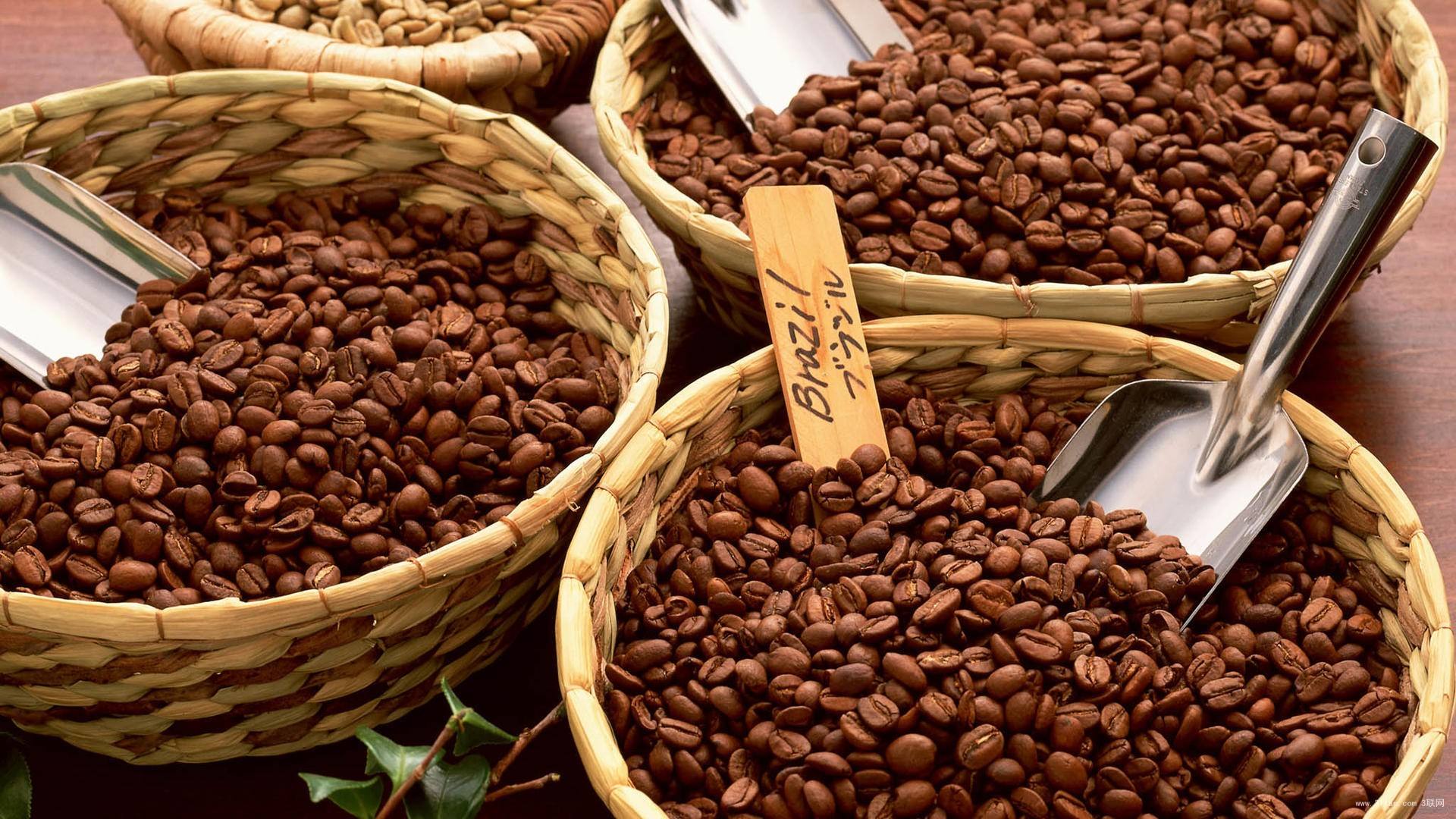
The types of coffee farms in Kenya introduce the benefits of drinking Kenyan coffee
Following Cafe (official Wechat account vdailycom) found that Kenya Cafe opened a small shop of its own. There are two types of coffee farms in Kenya. One is a large plantation covering an area of more than five acres, but the average elevation is low. In the case of Kenyan Coffee, the coffee beans of the big farm are of medium quality. The best Kenya beans come from small farms, most of which are located in five or six thousand feet.

Flavor description of Ecuadorian Coffee Variety producing area taste characteristics introduction of high-quality coffee beans
The Republic of Ecuador is located in northwestern South America. It is bordered by Colombia in the northeast, Peru in the southeast and the Pacific Ocean in the west. It covers an area of 256370 square kilometers and the coastline is about 930km long. The equator runs through the north of the border, and Ecuador means the western coast of the Spanish equator: including coastal plains and foothills, high in the east and low in the west, generally below 200 meters above sea level, with some seas

Don't underestimate Kenyan coffee.
Kenya lies to the north of Ethiopia, the origin of Arabica coffee trees, but it was not until the early 20th century that it was engaged in coffee cultivation. In the 19th century, missionaries introduced Arabica trees from Yemen, but did not plant them in large quantities. It was not until 1893, when Brazil's ancient bourbon seeds were introduced, that coffee was cultivated on a large scale. That is to say, the current Kenyan coffee has Brazilian ancestry.

Can coffee be relieved at coffee farms in Kenya?
Kenya is bordered to the north by Ethiopia, the origin of Arabica coffee trees, but it was not until the beginning of the 20th century that coffee cultivation began. In the 19th century, missionaries introduced Arabica trees from the leaves, but did not plant them in large quantities. It was not until 1893 that coffee was cultivated on a large scale because of the introduction of Brazil's ancient bourbon seeds. That is to say, Kenyan coffee is of Brazilian origin, because of water.

Washed Kenyan Arabica Coffee
Kenya is bordered to the north by Ethiopia, the origin of Arabica coffee trees, but it was not until the beginning of the 20th century that coffee cultivation began. In the 19th century, missionaries introduced Arabica trees from the leaves, but did not plant them in large quantities. It was not until 1893 that coffee was cultivated on a large scale because of the introduction of Brazil's ancient bourbon seeds. That is to say, Kenyan coffee is of Brazilian origin, because of water.

Introduction to the description of the flavor of Kenyan coffee beans by variety treatment method in brand producing areas
Description of the flavor of Kenyan coffee beans produced by the brand variety treatment method A coffee bean may have a special place name, or a method of treatment (washed or unwashed), a title, or just a letter or number after it. In some countries where the coffee industry is nationalised, the grading system seems uninteresting. In Kenya, for example, a bag of coffee might be:
Introduction to the flavor of small batch selected coffee from Costa Rican honey bean-clay brick farm
Professional barista exchanges please follow the coffee workshop (Wechat official account cafe_style) Costa Rica Honey beans-Earth Brick Farm Finca Las Lajas in Central American countries the most common way to deal with coffee beans is washing, but more and more countries appear sun-dried beans and the most popular in recent years honey beans (Miel Process), this trend began in Costa Rica

Kenyan Coffee Origin Esopia Coffee production area introduces boutique coffee
Kenya is bordered to the north by Ethiopia, the origin of Arabica coffee trees, but it was not until the beginning of the 20th century that coffee cultivation began. In the 19th century, missionaries introduced Arabica trees from the leaves, but did not plant them in large quantities. It was not until 1893 that coffee was cultivated on a large scale because of the introduction of Brazil's ancient bourbon seeds. That is to say, Kenyan coffee is of Brazilian origin, because of water.

Kenya coffee production introduction three beans guest coffee roaster
Kenya borders Ethiopia to the north, where the Arabica coffee tree originated, but coffee cultivation did not begin until the early 20th century. Missionaries introduced Arabica trees from Yemen in the 19th century, but they did not plant them in large quantities until 1893, when they introduced the ancient seeds of Bourbon coffee from Brazil. Coffee in Kenya is of Brazilian descent.

Where does Kenyan Coffee AA come from? introduction to the taste treatment method of flavor description in the region of Kenyan coffee
Kenya coffee AA from where the manor region flavor description taste treatment method do not underestimate Kenya's small farmers, they are the same ant soldiers, the overall production capacity is higher than large farms, about 6: 4, which is very rare in bean-producing countries. Kenyan coffee is widely appreciated by connoisseurs, thanks in large part to small farmers guarding the foothills and producing high-quality coffee. In addition, Kenya beans must be strict.

Kenya | Dorman multi-door AA FAQ wash SL28 SL34 flavor?
Professional coffee knowledge exchange more coffee bean information please follow the coffee workshop (Wechat official account cafe_style) Kenya | Dorman multi-door AA FAQ washing SL28 SL34 flavor? Kenya, located in East Africa, is one of the major coffee producing countries. More than 6 million people in the country are engaged in the coffee industry, mostly in the form of a combination of small farmers and cooperatives. There are many coffee trees in Kenya.
What kind of coffee are there in Kenya coffee fruit producing areas? Kenya
Kenya Coffee is the origin of Arabica coffee trees in Kenya, but it was not until the beginning of the 20th century that it began to cultivate coffee. In the 19th century, missionaries introduced Arabica trees from leaves, but did not plant them in large quantities. It was not until 1893 that coffee was cultivated on a large scale after the introduction of Brazil's ancient bourbon seeds, that is, Kenyan coffee.
Citrus fruity Berman Estate Fine coffee beans cultivation Location Climate Elevation Profile
There are two types of coffee farms in Kenya. One is a large plantation covering more than five acres, but the average elevation is lower. For Kenya coffee, the coffee beans of the large farm are only moderate in quality. The best Kenyan beans are grown on small farms, mostly in the foothills or firehills above five or six thousand feet. Each small farmer can produce only about 20 to 70 bags per season.

Kenya Coffee Bean Flavor Kenya Coffee Bean Origin Fine Coffee
Kenya borders Ethiopia to the north, where the Arabica coffee tree originated, but coffee cultivation did not begin until the early 20th century. Missionaries introduced Arabica trees from Yemen in the 19th century, but they did not plant them in large quantities until 1893, when they introduced the ancient seeds of Bourbon coffee from Brazil. Coffee in Kenya is of Brazilian descent.

Kenya Coffee-introduce how to debug the coffee grinder
Kenya is bordered to the north by Ethiopia, the origin of Arabica coffee trees, but it was not until the beginning of the 20th century that coffee cultivation began. In the 19th century, missionaries introduced Arabica trees from the leaves, but did not plant them in large quantities. It was not until 1893 that coffee was cultivated on a large scale because of the introduction of Brazil's ancient bourbon seeds. That is to say, Kenyan coffee is of Brazilian origin, because of water.

Introduction to the flavor of Kenyan coffee
Kenya is bordered to the north by Ethiopia, the origin of Arabica coffee trees, but it was not until the beginning of the 20th century that coffee cultivation began. In the 19th century, missionaries introduced Arabica trees from the leaves, but did not plant them in large quantities. It was not until 1893 that coffee was cultivated on a large scale because of the introduction of Brazil's ancient bourbon seeds. That is to say, Kenyan coffee is of Brazilian origin, because of water.

Fragrant Ecuadorian Coffee Manor flavor and taste characteristics of fine coffee beans
Central mountain: after entering Ecuador from Colombia, the Andes is divided into the eastern and western Cordillera mountains, with a plateau high in the north and low in the south, averaging between 2500 and 3000 meters above sea level. The Andes run through the middle of the border. The ridges crisscross, dividing the plateau into more than ten intermountain basins. The most important are the Quito basin and the Cuenca basin in the south. Volcanic crowds in the territory

Kenya Coffee Bean Variety Appearance Characteristics Kenya Fine Coffee Bean Flavor Taste Description
Don't underestimate Kenya's small farmers. They are no different from ants and soldiers. Their overall productivity is higher than that of large farms, about six to four, which is quite rare in soybean producing countries. Kenyan coffee is widely appreciated by connoisseurs, thanks in large part to smallholder farmers who work hard to grow good coffee in the foothills. In addition, Kenya beans must have a strict grading system, washing plant out of coffee beans, according to the size